Understanding organic in conversion cotton
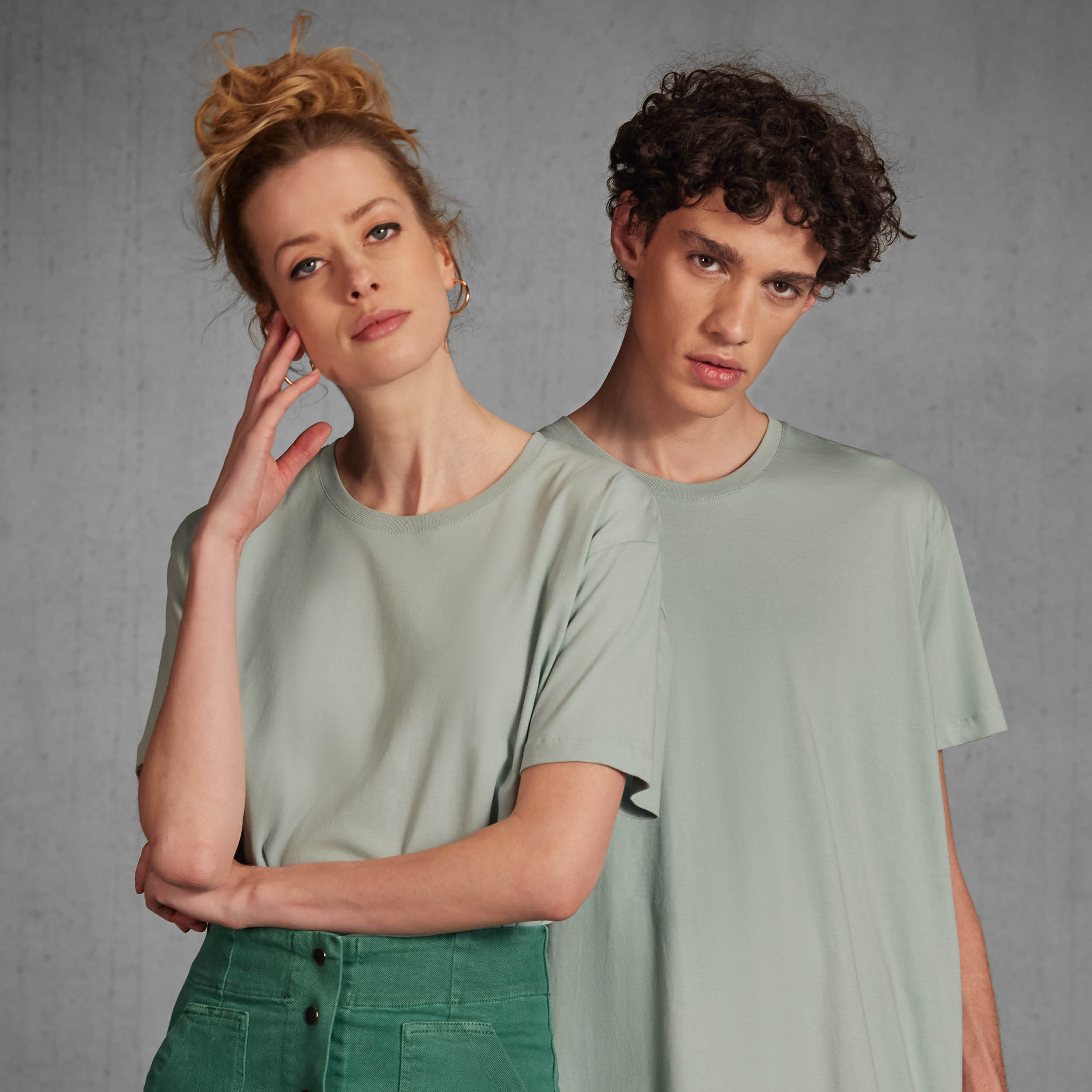
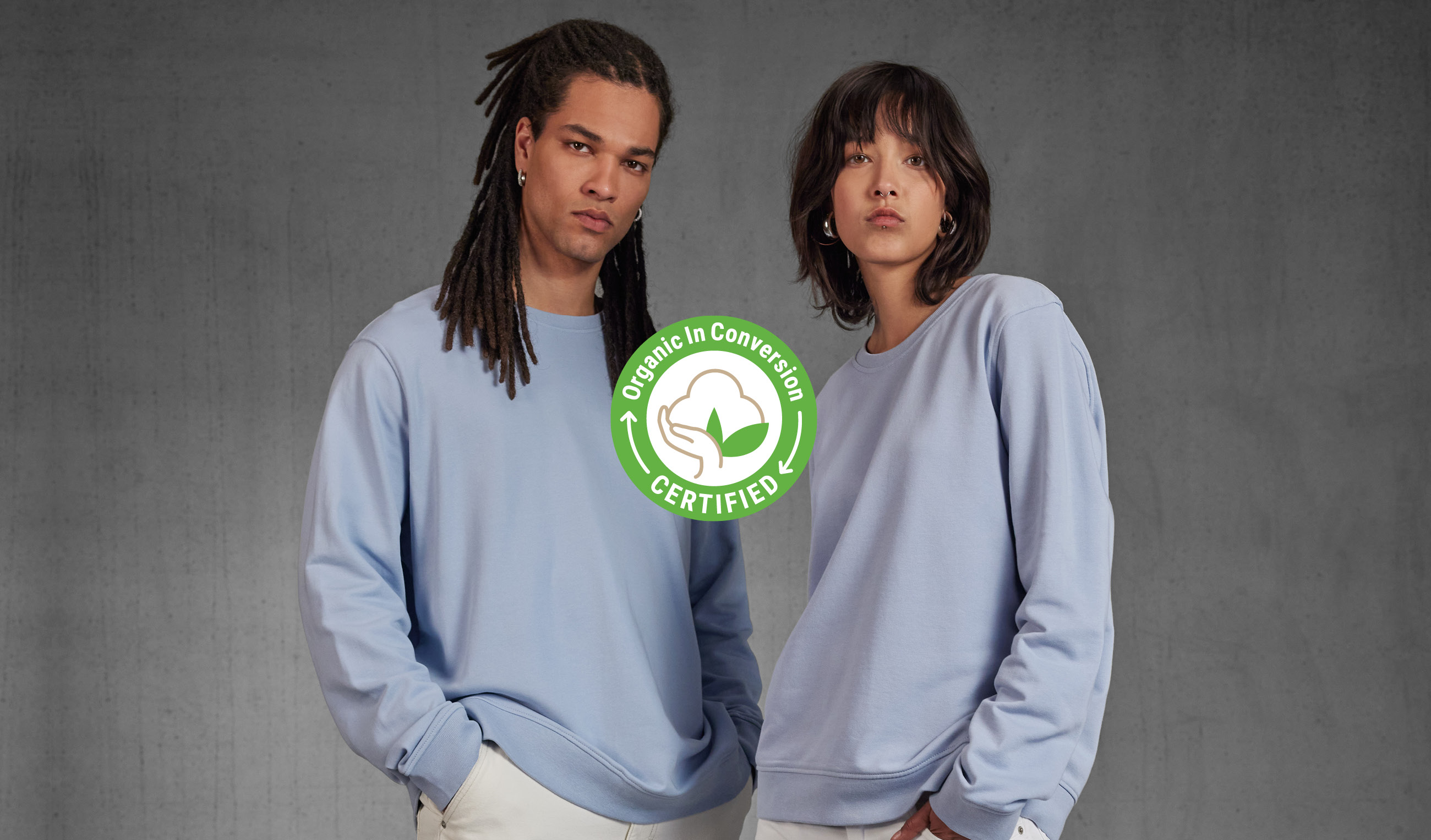
That’s why we chose organic in conversion cotton for our B&C Inspire polos, T-shirts and sweats.
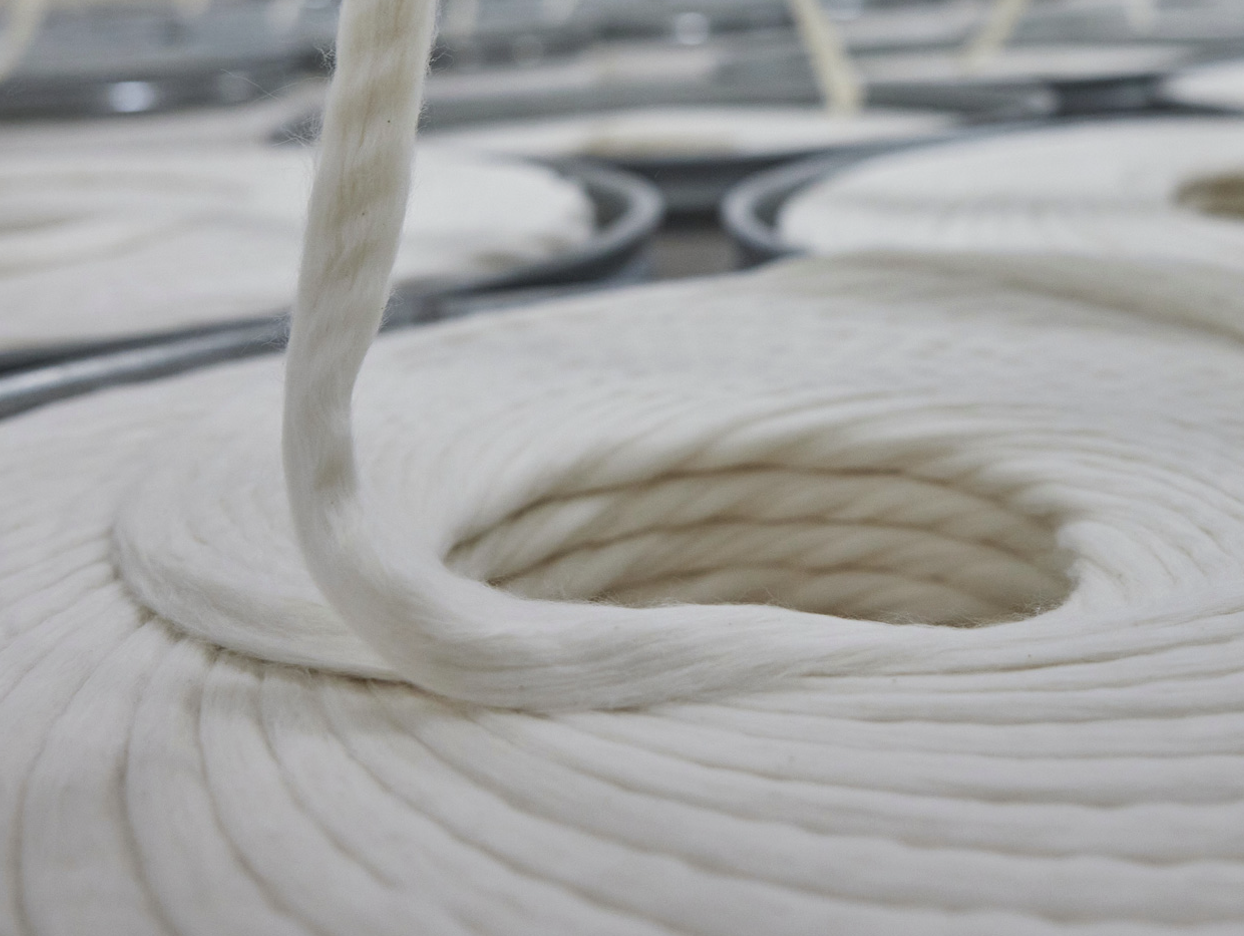
Organic in conversion cotton offers the same sustainable farming benefits as organic cotton, while actively supporting farmers during the transition to organic agriculture. It allows us to go beyond using organic cotton, and instead help grow organic cotton production over time.
What organic in conversion cotton means in practice
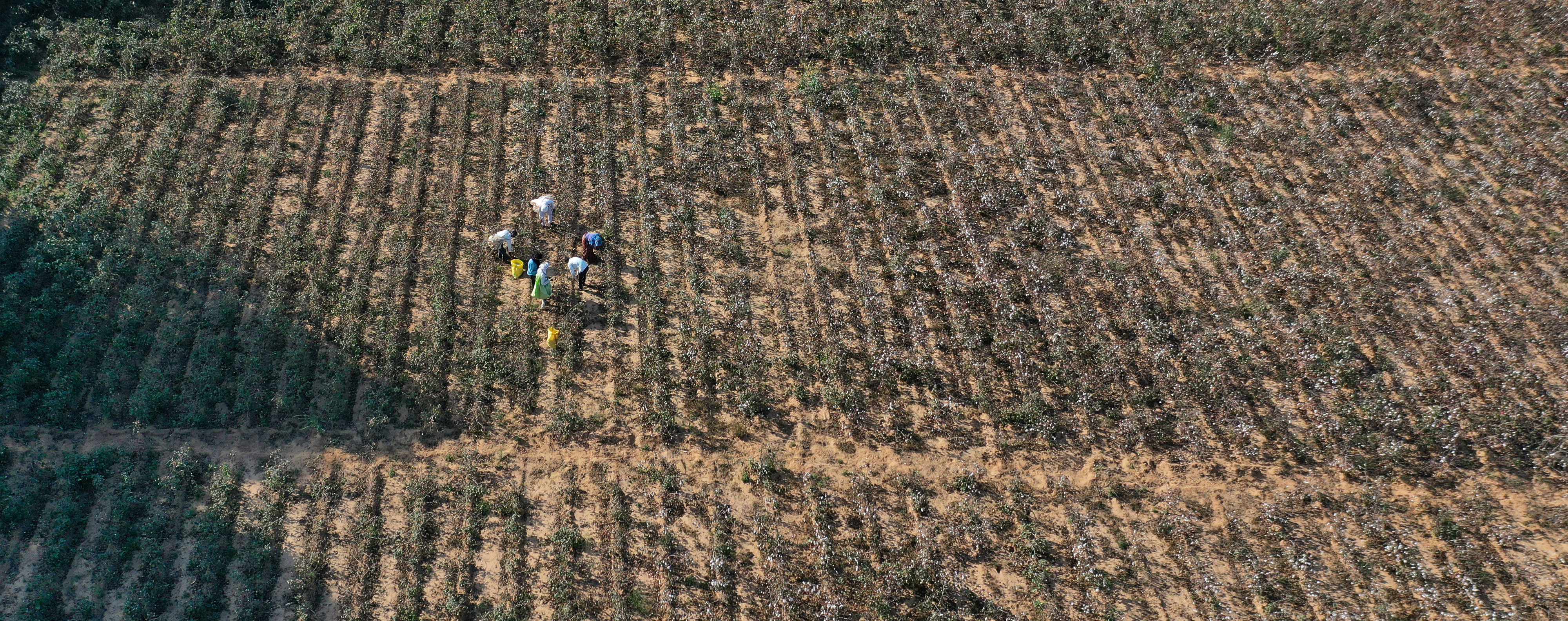
Organic cotton doesn’t appear overnight. Farms must go through a multi-year conversion period before organic certification is granted.
From the moment a farm enters this conversion :
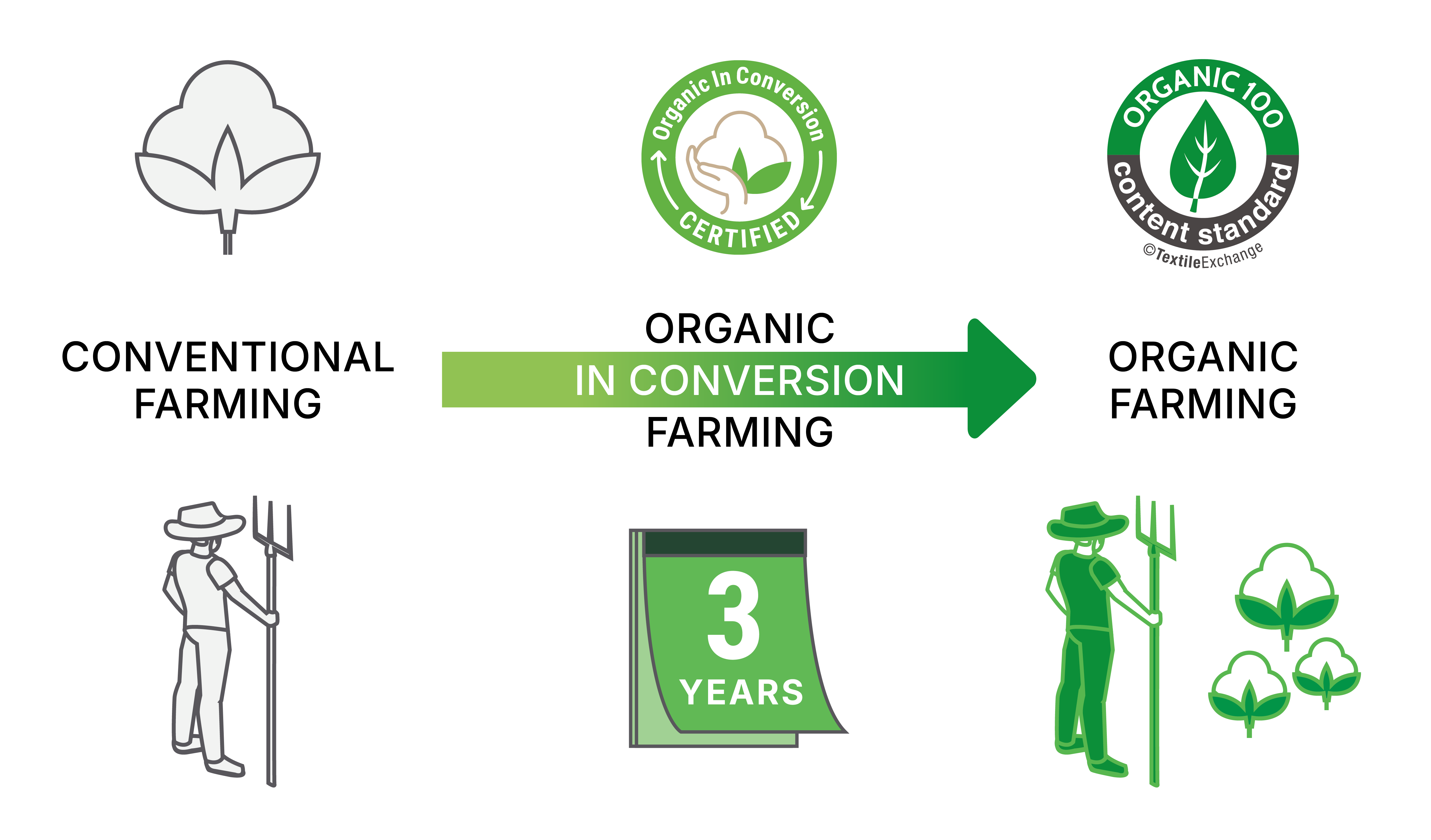
Synthetic pesticides and fertilisers are no longer used
Genetically Modified (GM) seeds are excluded
Organic farming principles are applied, focusing on soil health and biodiversity
During this phase, cotton is already grown according to organic standards. The only difference with certified organic cotton is certification status, not farming practice.
Why in conversion makes sense for cotton
The concept of a conversion period exists across organic agriculture. For food crops, this period is especially critical because soil quality directly affects what we consume.
Cotton, however, is a non-food fibre. While soil health remains essential for environmental reasons, the fibre itself is not consumed and its quality is not linked to nutritional content. As a result, cotton grown during the conversion period already delivers organic-quality fibre performance and sustainability benefits.
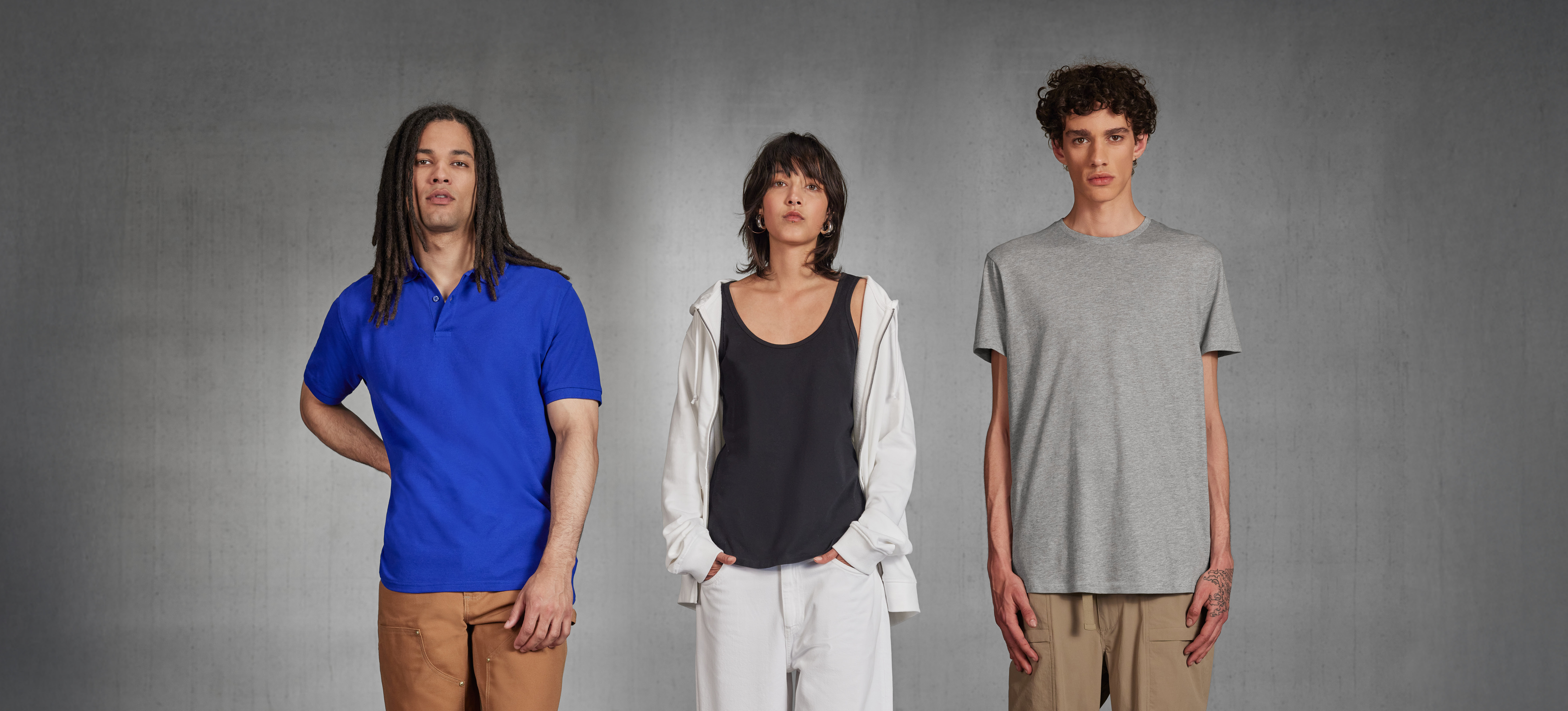
This makes organic in conversion cotton a particularly relevant and effective choice for blank textiles.
Discover B&C Inspire stylesWhy we chose it for our Inspire styles
We deliberately chose organic in conversion cotton for our B&C Inspire T-shirts, poloshirts and sweatshirts because these are core styles, produced in meaningful volumes and designed to offer consistent quality and total comfort.
As for printability, organic in conversion cotton performs exactly like certified organic or conventional cotton, delivering the same smooth surface, colour consistency and reliable print results.
Organic in conversion cotton behaves exactly like organic cotton:
Soft, natural handfeel.
Breathable and comfortable for everyday use.
Strong fibre structure for durability and wash resistance.
Consistent yarn quality for reliable production.
Perfect printability, thanks to a smooth soft surface.
- Offer organic-quality products made for decoration
- Support farmers during the most demanding phase of conversion
- Create stable demand for cotton grown under organic principles
Rather than competing for limited certified organic volumes, this approach helps expand the future supply of organic cotton.
How organic in conversion fits into our wider cotton strategy
Organic in conversion cotton is a powerful tool for building the future of organic cotton — but it is not the only one.
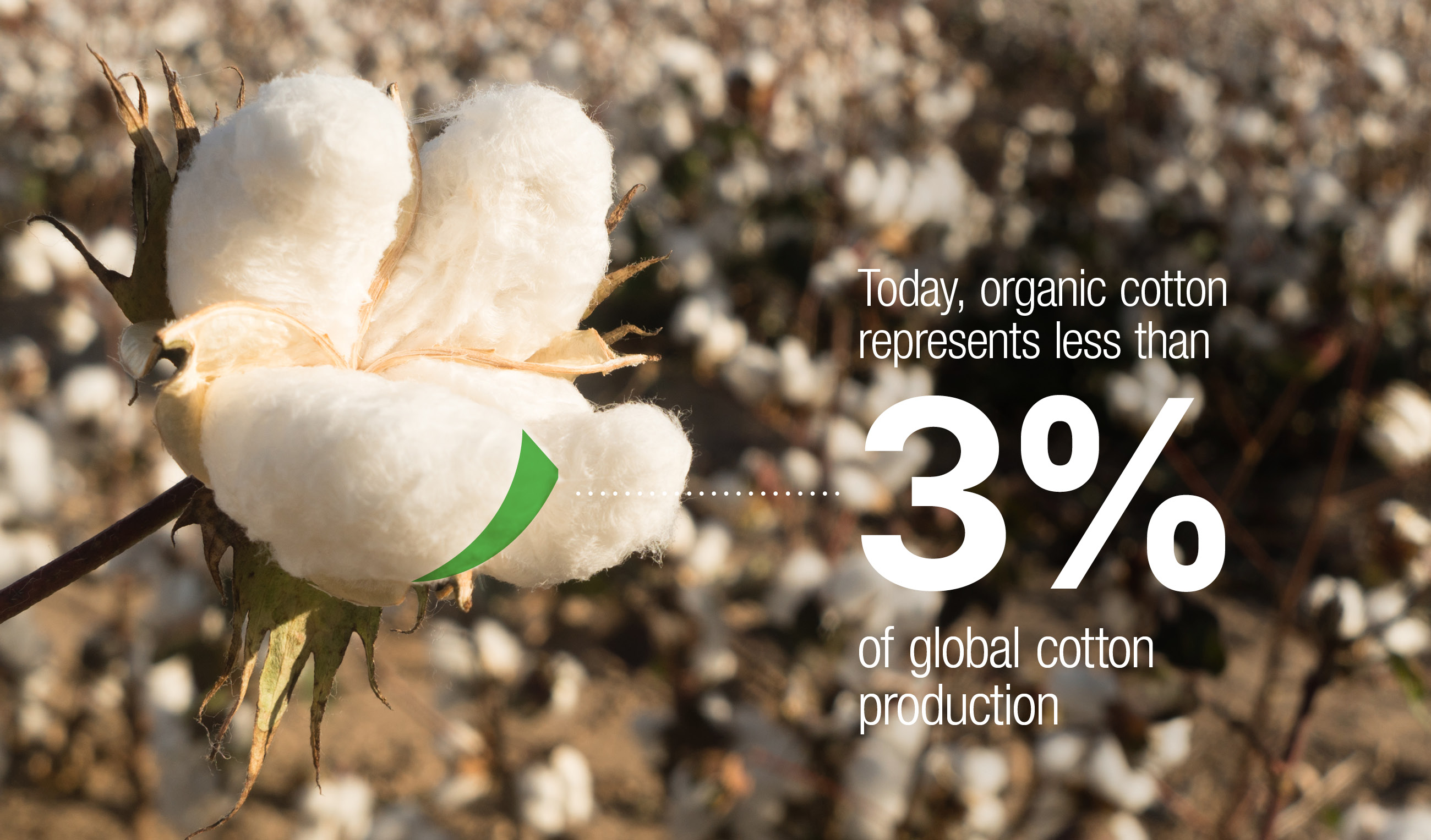
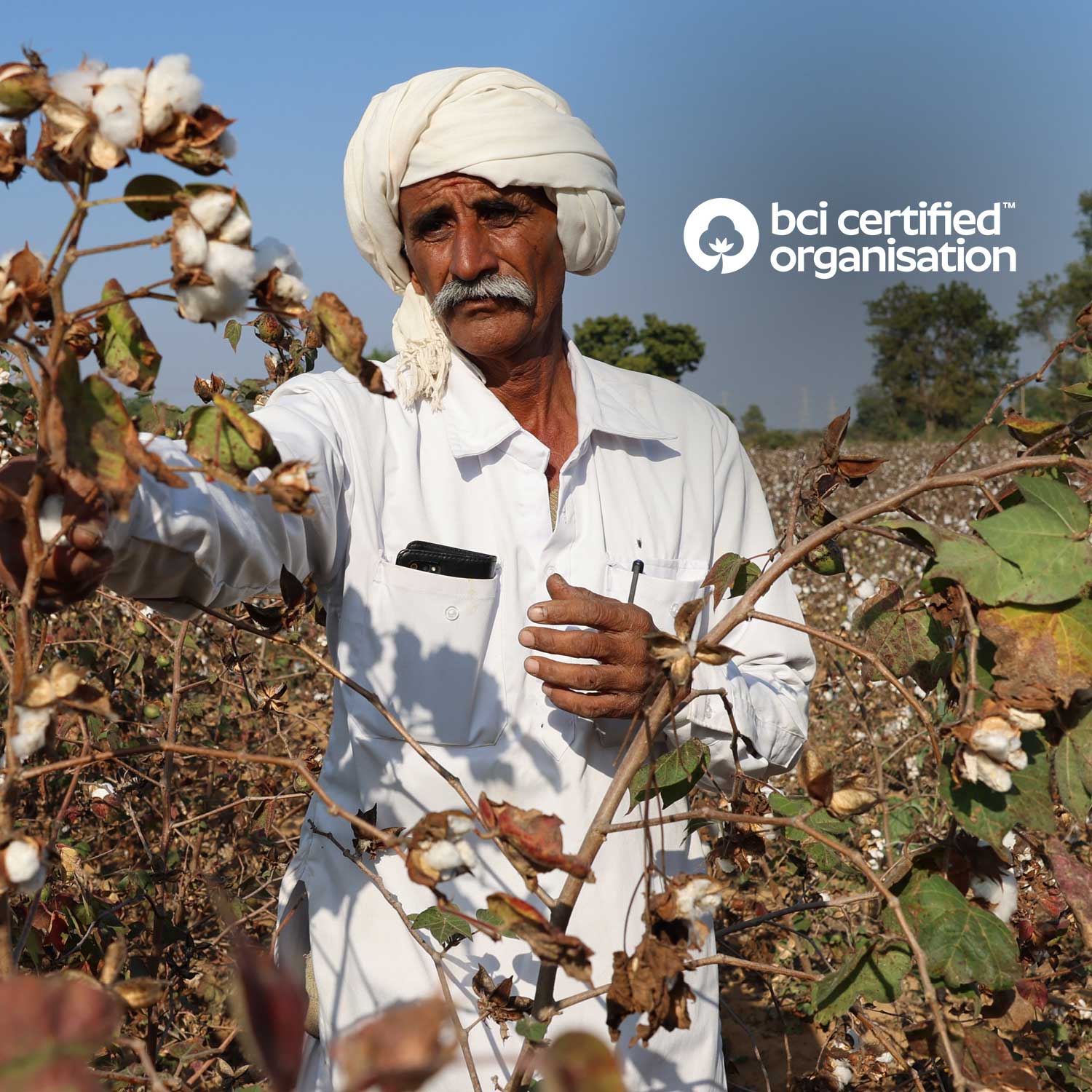
Organic cotton, including organic in conversion, will always represent a limited share of global cotton production. That’s why our wider cotton strategy also includes BCI Cotton, sourced through the Better Cotton Initiative, as a BCI-certified organisation.
BCI Cotton is not organic, but it enables improved farming practices at scale, allowing us to reduce impact across far larger volumes of cotton.
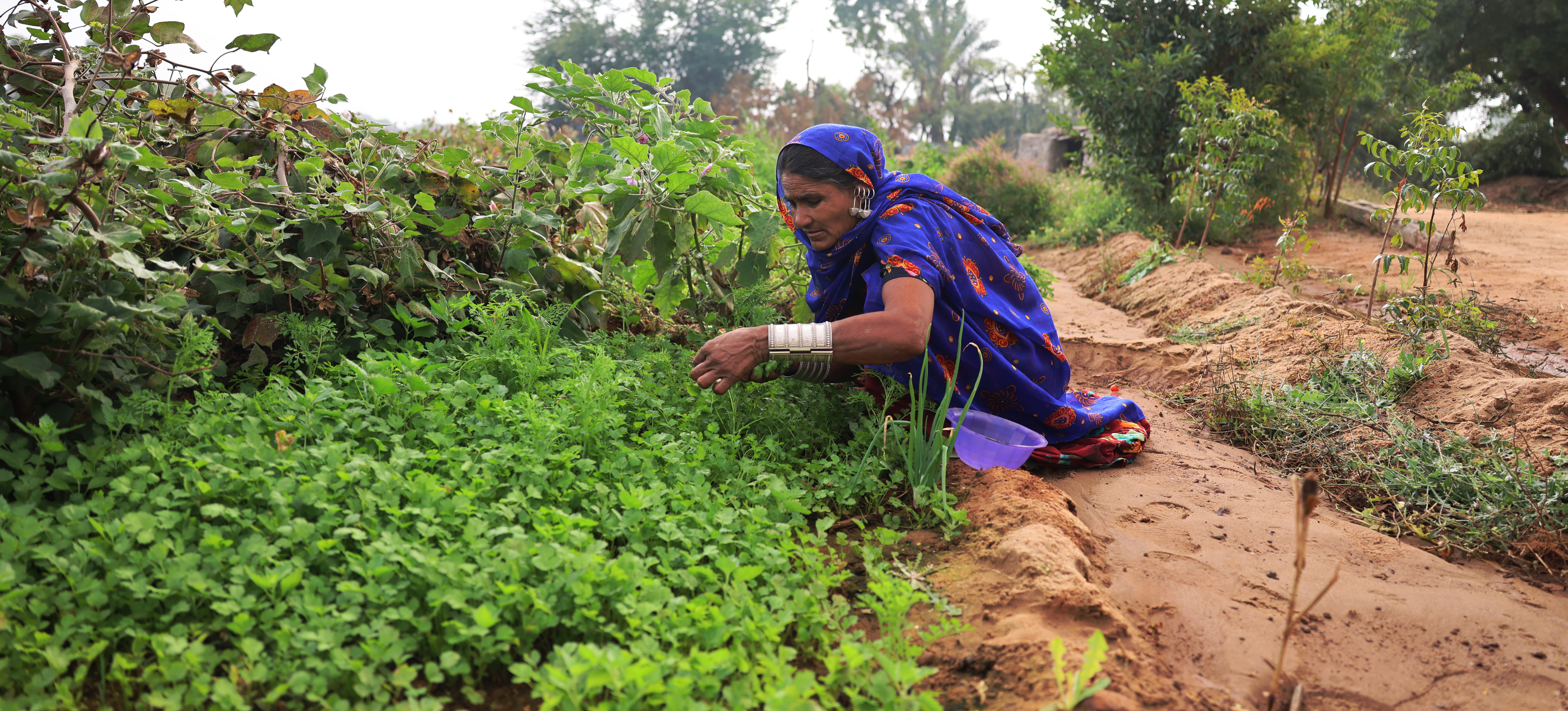
Together, organic in conversion cotton and BCI Cotton allow us to combine long-term ambition with immediate, scalable impact, and offer a versatile range of blank apparel made for decoration
Discover the collectionRelated Articles
 Durabilité
B&C x Fairly Made : agir pour la transparence
Notre partenariat avec Fairly Made, start-up pionnière en matière de traçabilité, marque un grand pas en avant qui s’inscrit dans la définition d’une nouvelle vision pour la production de vêtements responsables et durables.
En savoir plus +
 Durabilité
If organic cotton is only 3%...what about the rest?
Organic Cotton is often seen as the gold standard in sustainable apparel, but here’s the reality: it makes up just 3% of global cotton production*. Converting a conventional farm to organic takes up to three years, often with reduced yields and higher risks for farmers. Even then, not all the in-conversion cotton finds a guaranteed buyer willing to pay a premium.
En savoir plus +
 Durabilité
Not just what’s inside, packaging matters too.
When we talk about sustainability in fashion, packaging often goes unnoticed. Yet every garment moves in a bag, a box, with a label and a strip of tape. At B&C, these ‘invisible’ items are no longer an afterthought.
En savoir plus +
 Collections
B&C is officially BCI certified. Our cotton journey reaches a new milestone.
At B&C, sustainability isn’t just a goal, it’s a responsibility. That’s why we’ve taken a major step forward – we are now officially Better Cotton Initiative (BCI) certified and sourcing Physical BCI Cotton for our products.
En savoir plus +