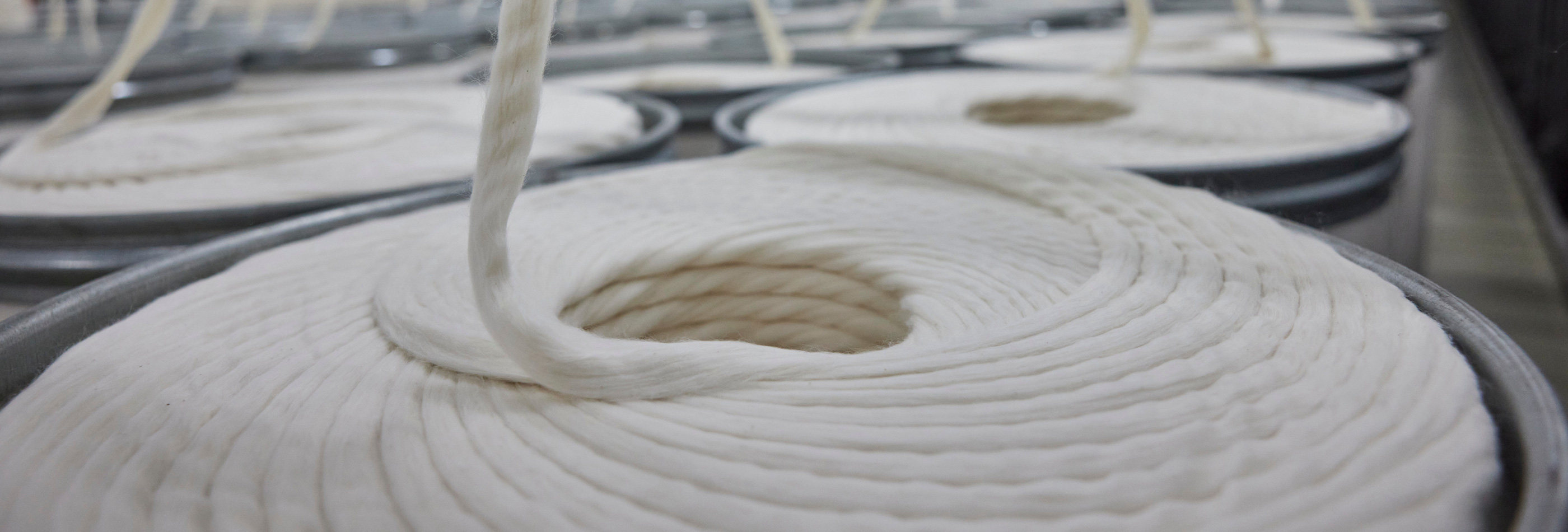
If organic cotton is only 3%...what about the rest?
Organic Cotton is often seen as the gold standard in sustainable apparel, but here’s the reality: it makes up just 3% of global cotton production*. Converting a conventional farm to organic takes up to three years, often with reduced yields and higher risks for farmers. Even then, not all the in-conversion cotton finds a guaranteed buyer willing to pay a premium.
That leaves a big question: what about the other 95% + of the cotton grown worldwide? If we want to create meaningful change, we can’t wait for the organic supply to scale up.
*Textile Exchange Materials Market Report 2024
Sustainable cotton growth
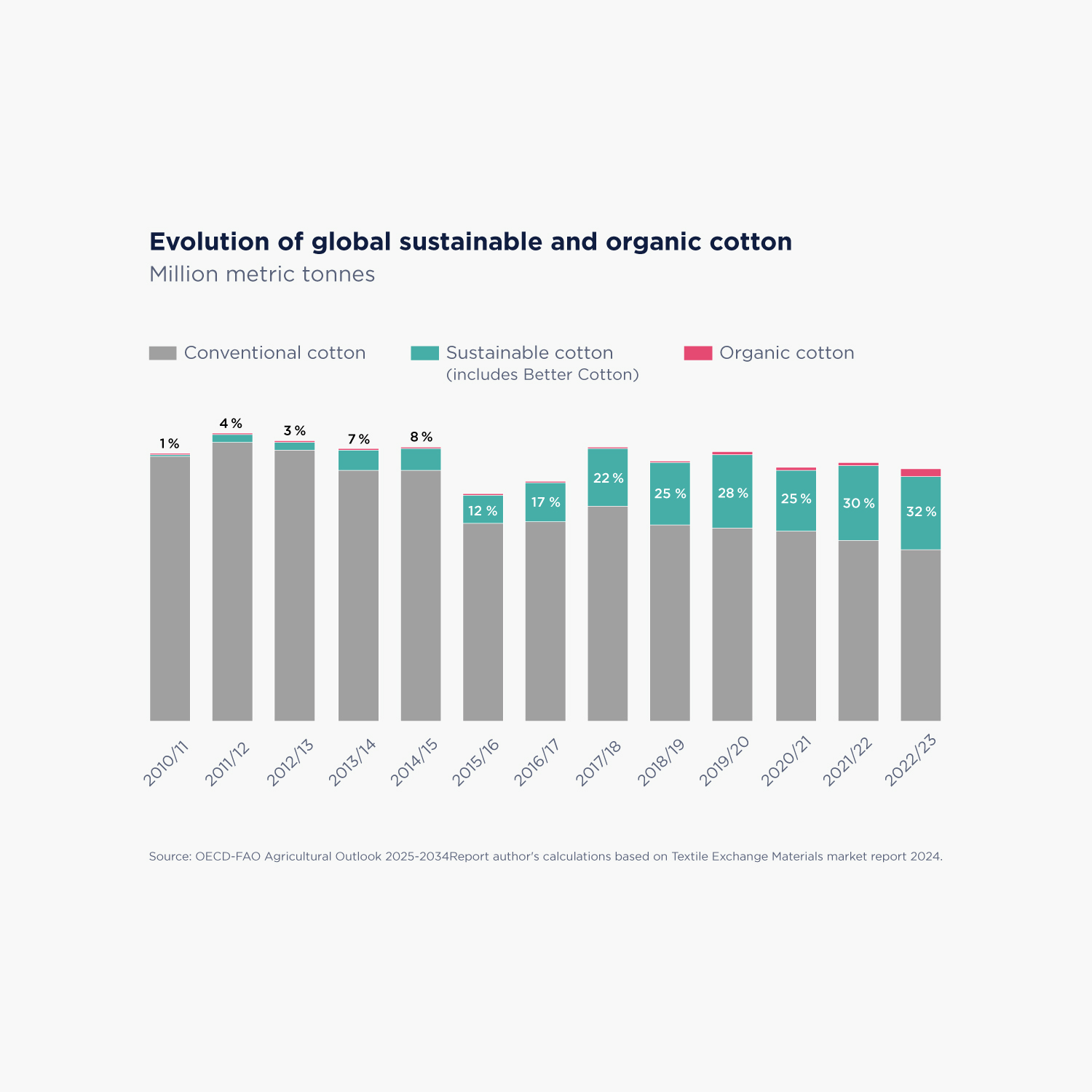
The share of sustainable cotton grew from just 1% in 2010/11 to 32% in 2022/23, showing a strong upward trend in the past decade.
Sustainable cotton in 2022/2023
In 2022/23, 32% of global cotton production was covered by programmes recognised by the 2025 Sustainable Cotton Challenge (Textile Exchange).
Importance of Better Cotton
Better Cotton dominates the sustainable cotton landscape, accounting for around 22% of all cotton in the season 2022/23 (other sustainable cotton initiatives represent 10% of total).
Better Cotton™. The scalable solution
That’s where Better Cotton comes in. It’s the world’s largest cotton sustainability programme, helping 2.2 million licensed farmers in 22 countries grow cotton in ways that:
/ use water more efficiently
/ improve soil health and biodiversity
/ reduce harmful chemical inputs
/ promote fair labour conditions and labour equality.
By originally operating on a mass balance model**, Better Cotton was able to build-up scale and investment in field level improvements rapidly, even if the cotton itself wasn’t physically traceable.
Now, with Better Cotton representing 22%+ of global cotton production (2023), the programme is building on that scale to strengthen its impact – moving towards physical traceability, third-party certification, and regenerative agriculture practices to ensure even greater transparency and credibility.
**A system that allowed it to be mixed with conventional cotton in the supply chain but still ensured that every purchase contributed to funding training and field-level improvements on the farms.
How Better Cotton is moving beyond mass balance
By introducing certification, traceability and regenerative agriculture practices, all at scale.
- Transitioning to a third-party certification scheme, with independent Chain of Custody (CoC) audits.
- Launching Physical Better Cotton, where fibres are kept physically separate and tracked through the supply chain.
- Incorporating regenerative agriculture principles in its standards– shifting focus from individual practices to holistic ecosystem regeneration: biodiversity protection, soil health, crop rotation, intercropping, water stewardship, pest management, and continued focus on social criteria.
The Better Cotton plan: Phase-out mass balance and make Physical Better Cotton the new norm.
Why B&C chose Better Cotton
We've taken a major step forward: We are among the first in our industry to start sourcing Physical Better Cotton, and we've done it from the outset. The first styles made with this next-level cotton will be in stock from this Autumn, marking the start of a new standard in traceability and transparency.
Looking back, our commitment to Better Cotton began in 2021 with the launch of our B&C Royal Sweatshirts line. Then, in July 2023, we made it complete: 100% of the conventional cotton in our tees, polos and sweatshirts was replaced with Better Cotton.
Every kilo we source includes a licence fee that helps fund Better Cotton’s work on the ground – and we don’t pass on that cost to our customers. That means:
/ More sustainable garments at an accessible price
/ More impact, driven by large volumes
/ A clear signal that more sustainable practices can be mainstream


The next step for B&C
We’re fully committed to Better Cotton’s next chapter, with traceability now at the heart of our sourcing strategy. Starting to source Physical Better Cotton marks a significant milestone, enabling us to make verified product claims, thanks to full traceability through our partner Fairly Made, and to meet growing demands for transparency from both customers and upcoming EU regulations.
Looking ahead, our goal is for all garments made with cotton sourced through Better Cotton to transition to Physical Better Cotton – combining scale, credibility and accountability.
In short
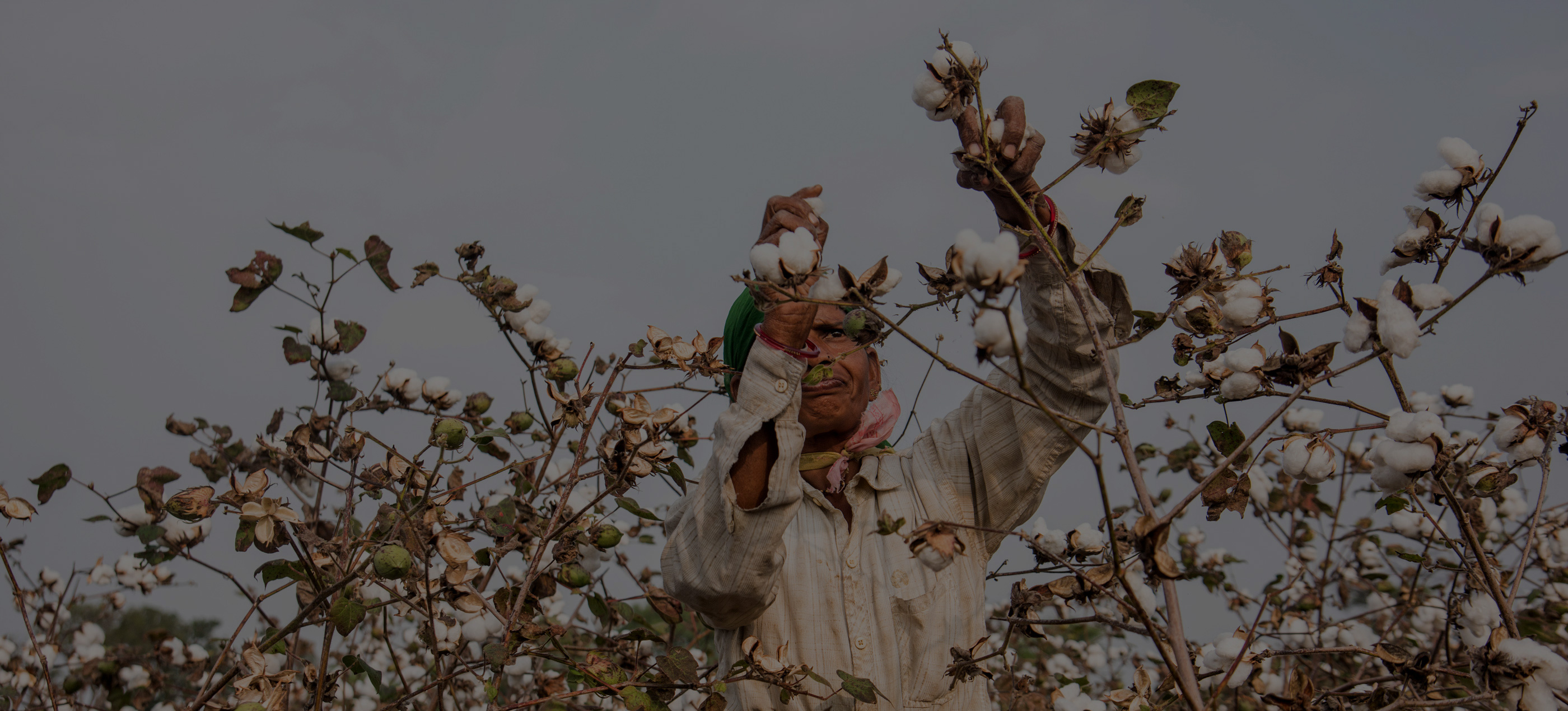
If we’re serious about transforming the cotton industry, we can’t focus on only 3%. Better Cotton is the bridge that lets brands, suppliers and farmers take real steps towards sustainability, today. It’s the most immediate, credible and scalable path forward.
Related articles
 Sostenibilidad
Nuestra certificación Oeko-Tex®, tu tranquilidad
Los productos B&C con certificación OEKO-TEX® te ofrecen tranquilidad a ti y a tus clientes. Descubre cómo garantizamos la ausencia de sustancias nocivas.
Saber más +
 Sostenibilidad
B Corp: Mucho más que una certificación, un compromiso de mejora continua
Por esta razón, es para nosotros un enorme orgullo contar con la certificación B Corp. Pero, ¿qué conlleva realmente este sello, para nosotros, para el sector y para ti?
Saber más +
 Sostenibilidad
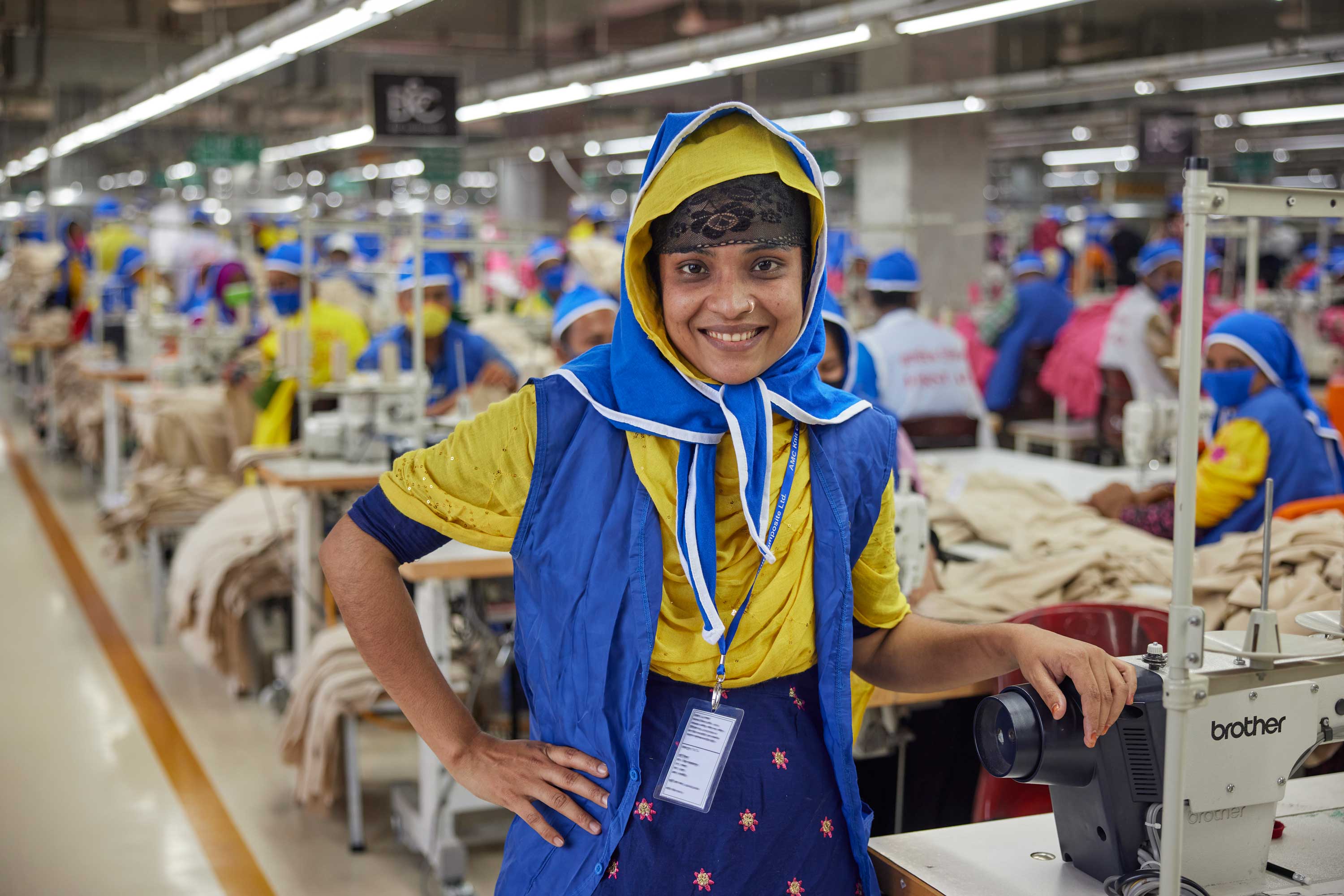
Somos miembros de la Fair Wear Foundation
Junto con la Fair Wear Foundation, B&C se asegura de que los trabajadores en nuestras fábricas asociadas tengan unas condiciones de trabajo dignas. Lea cómo lo auditamos.
Saber más +
 Sostenibilidad
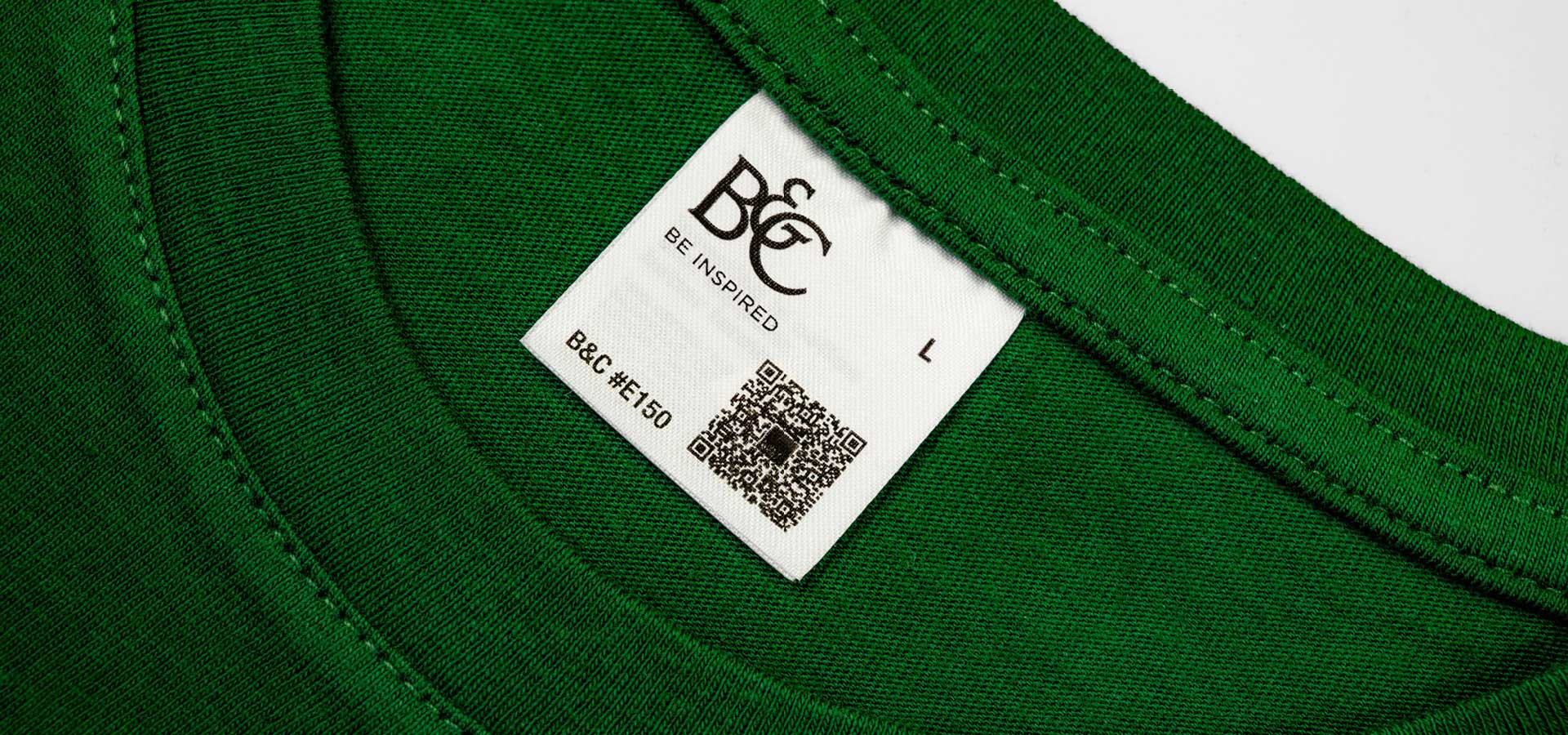
B&C x Fairly Made: llevamos la transparencia a la práctica
La industria textil está en una encrucijada. A medida que clientes y consumidores demandan más transparencia y que las marcas afrontan mayores presiones legales, la necesidad de pasar a la acción nunca había sido tan apremiante. En B&C, no solo damos respuesta a estos desafíos sino que ayudamos a dirigir el cambio
Saber más +